Est. 1993
Hundreds of books, thousands of hours, millions of stitches in the pursuit of the excellence.
Shaban Alam was born in Lahore, in the first generation to come of age after the British Raj.
It was a childhood spent in a city redefining itself, in a country still deciding what it would keep from the old world and what it would leave behind. He would carry that instinct with him for the rest of his life: an eye for what was worth preserving, and the nerve to discard the rest.
He left to further his studies at Princeton University, and from there to New York, where he met Kristine — a New Yorker by birth, and, like Shaban, a participant of the world of American finance. Both cut their teeth on Wall Street in its most storied era.
Shaban's own chapter there closed rather more dramatically than most, courtesy of a run-in with the SEC in the aftermath of Black Monday — the kind of story he would tell, years later, with a raised eyebrow and no further explanation.
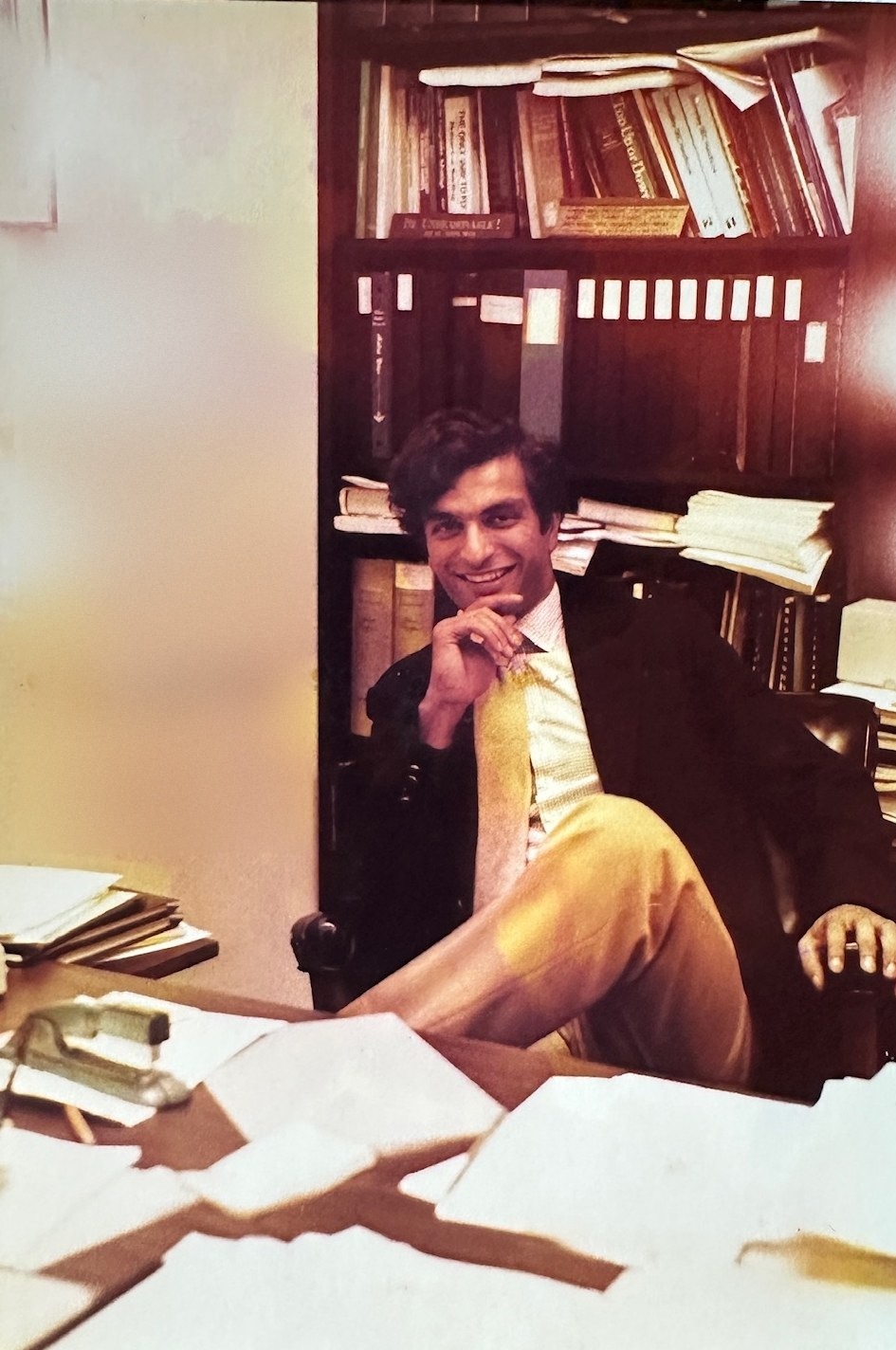
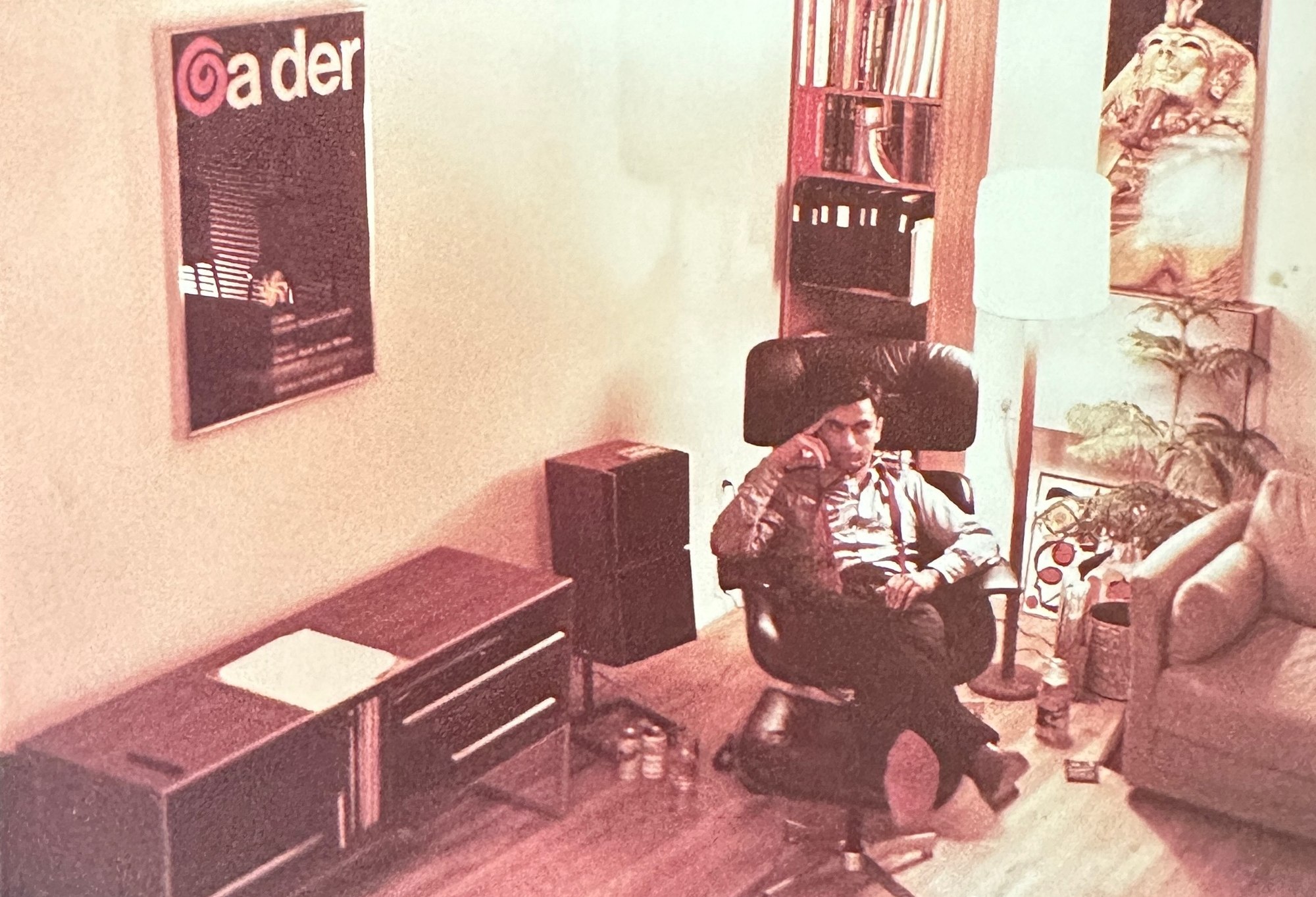
Shaban, in the years before Cochese
The Inspiration
The Inspiration Behind Cochese
Shaban's father, and the notable family and friends whose own sense of dress set the standard long before the house existed.
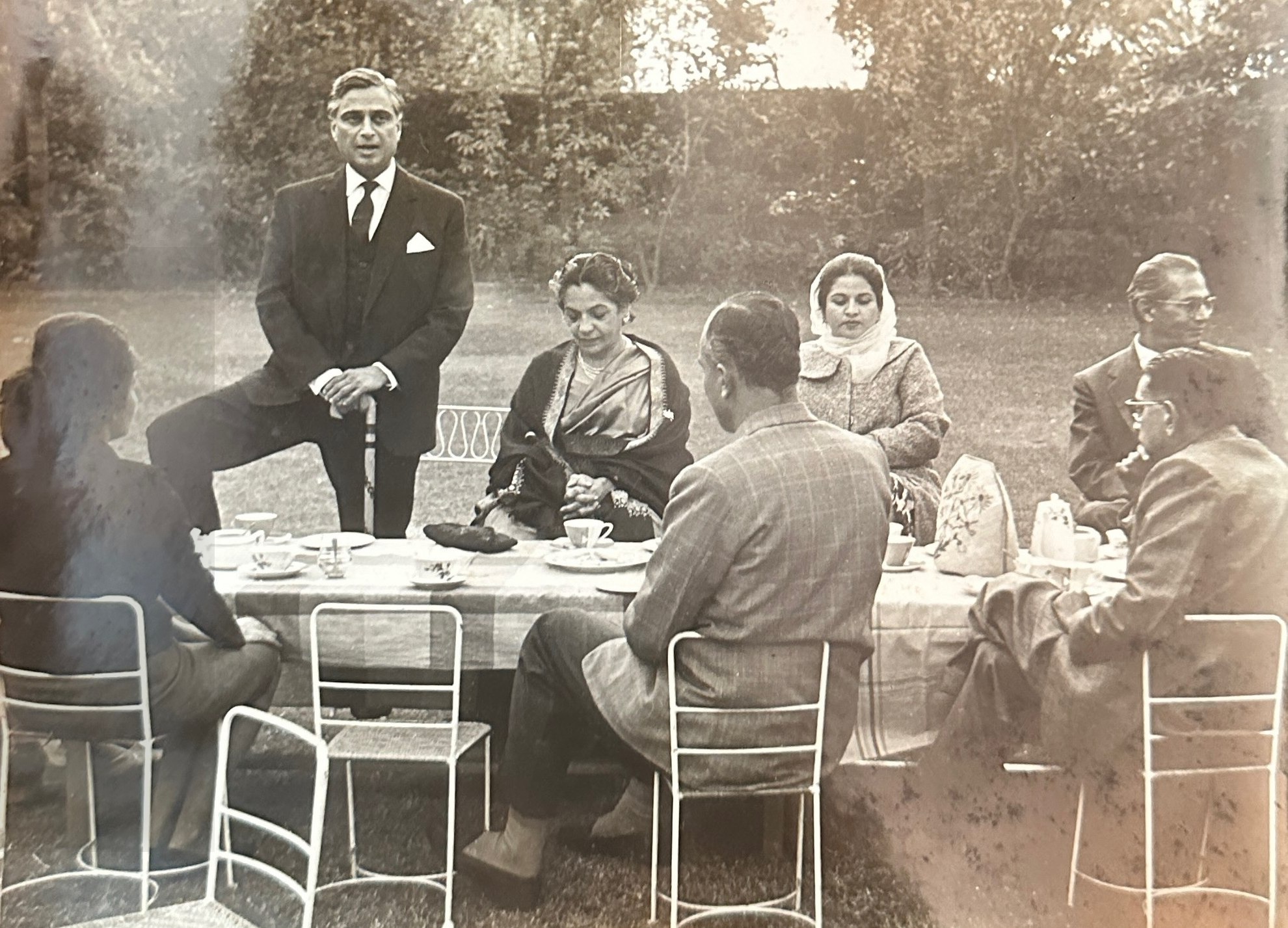
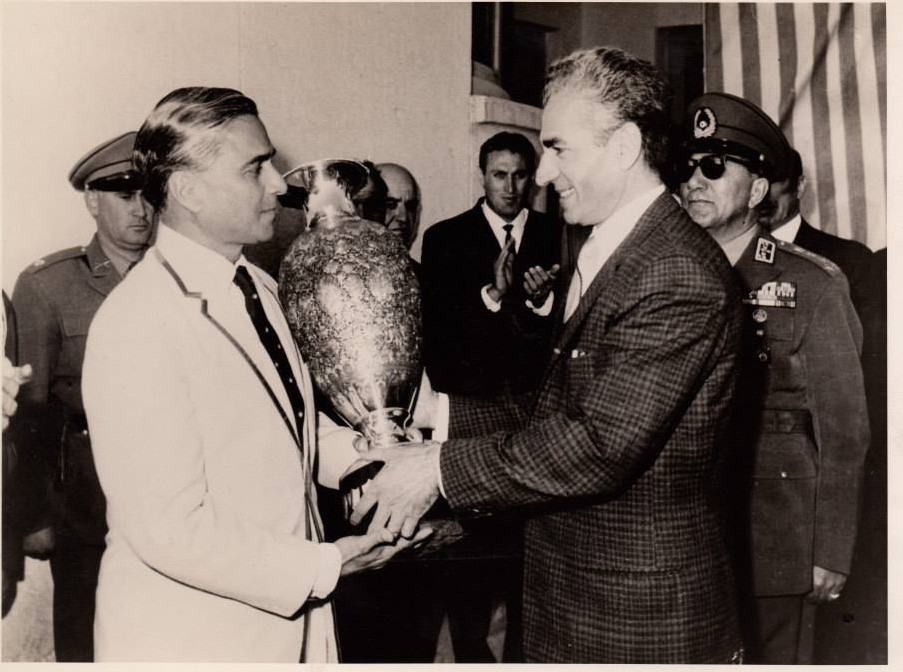
The adventure that followed would take Kristine to Lahore and Shaban back home. Together the two traveled extensively through Europe, absorbing its cities and its craftsmen, and returned home with a question that wouldn't leave them alone: why, in social circles thick with wealth, was quality Western tailoring nowhere to be found?
From board rooms to weddings— men with more money than sense — could commission a sherwani of real splendor but then disappear into a suit that flattered no one. The taste was there. No one had offered it a proper outlet.
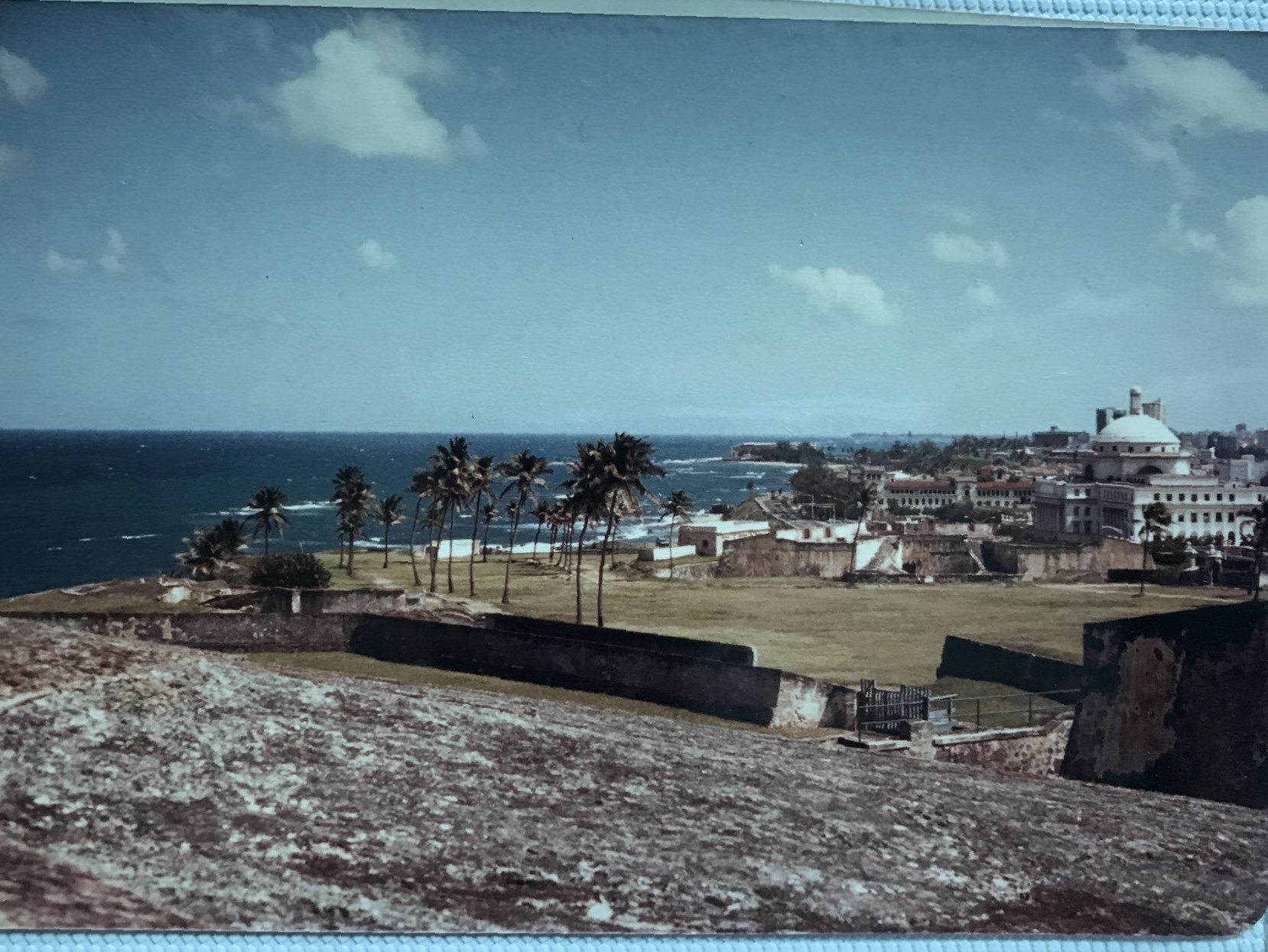
Travels through Europe
Being voracious readers, Shaban and Kristine did what readers do: they went looking for answers in books. First on shirting and suiting, then on fabric itself — what made a cloth good, down to the weight of a button. Curiosity became a hobby, the hobby a passion, and the passion, in time, became Cochese.
“Real quality never needs to announce itself. It simply endures, and the people who recognize it always find their way to it.” Shaban & Kristine Alam
What they built was the first house in Pakistan to bring Loro Piana, Zegna, and Vitale Barberis Canonico to the cutting table — names most of the country had only seen in magazines.
For more than thirty years since, Cochese has dressed the people who shape the room they walk into: heads of state, global business figures, and generations of Pakistan's own elite — alongside others the house is content to leave unnamed. Discretion has always been part of what's on offer.
Today
For the last thirty years, Javeid Iqbal has stood at the center of the Cochese family, overseeing the house as it stands today. He has become, in his own right, the face of the brand in Pakistan — his charm and expertise carrying forward a vision Kristine and Shaban set in motion in 1993.
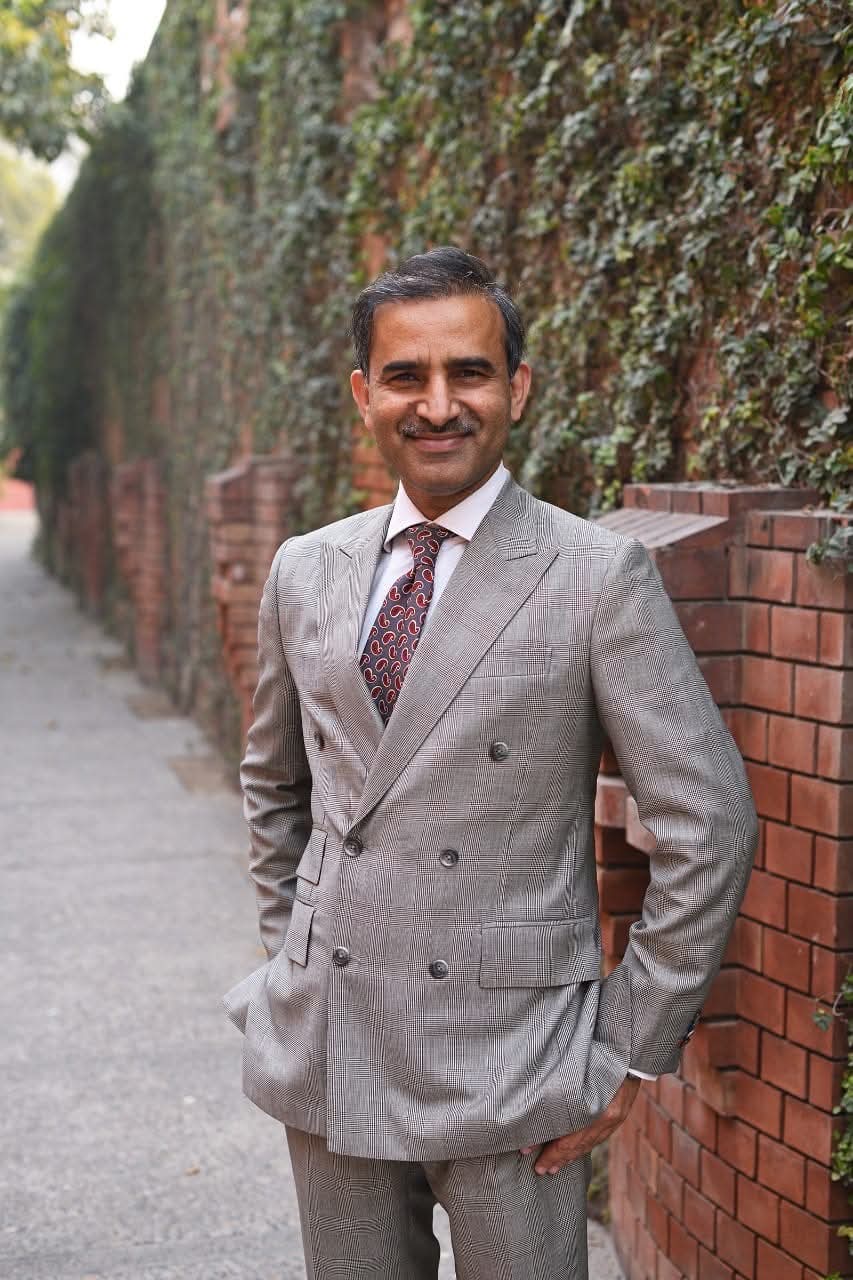
Javeid Iqbal
Trends move quickly. Cochese has never chased them.
Every piece is discussed, selected and sewn for one person alone— cloth, canvas, and the last button, all in service of the singular idea that excellence is achievable.
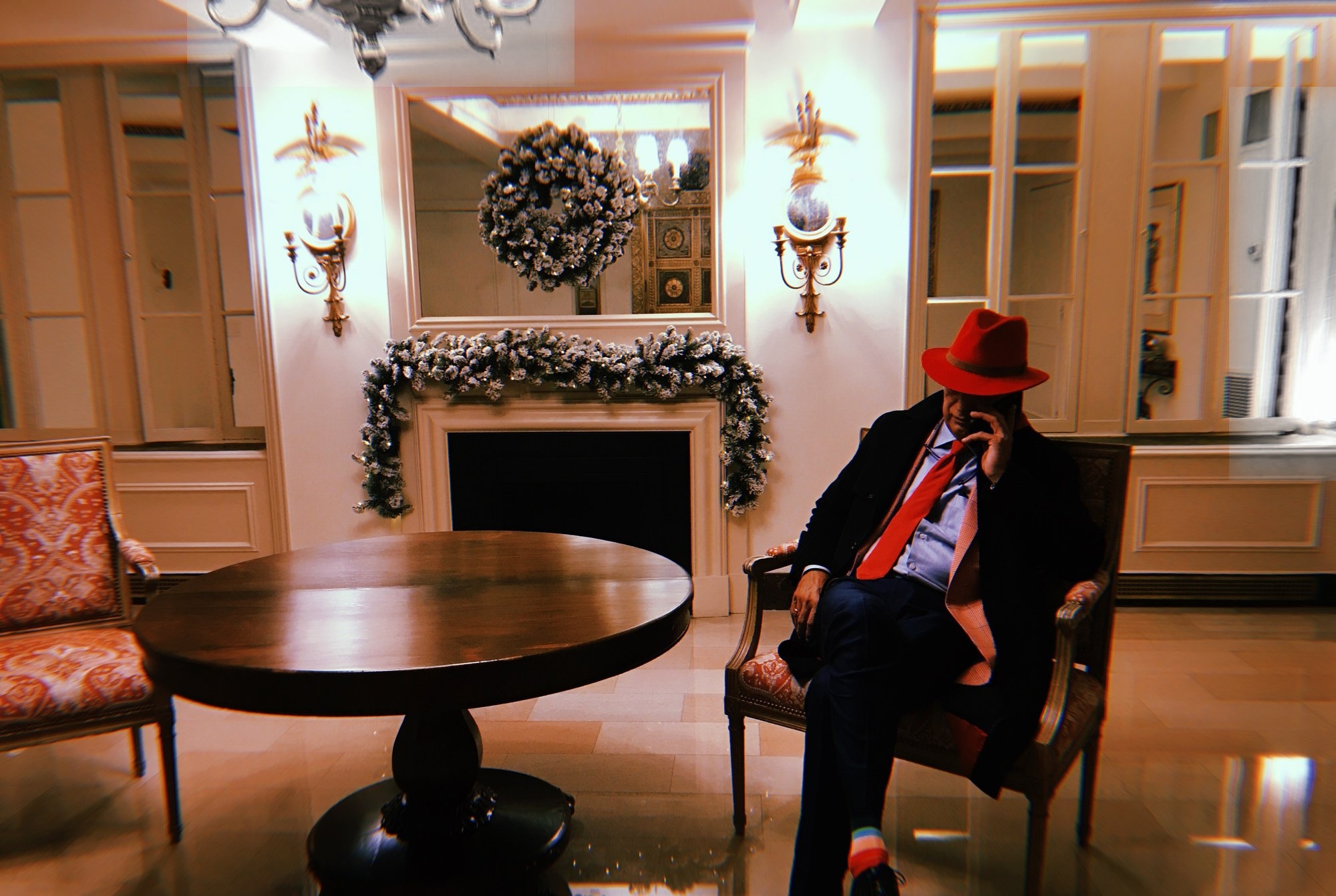
Shaban Alam
Begin a Commission
The house is open by appointment.
Contact CocheseLook good and have a better day.